
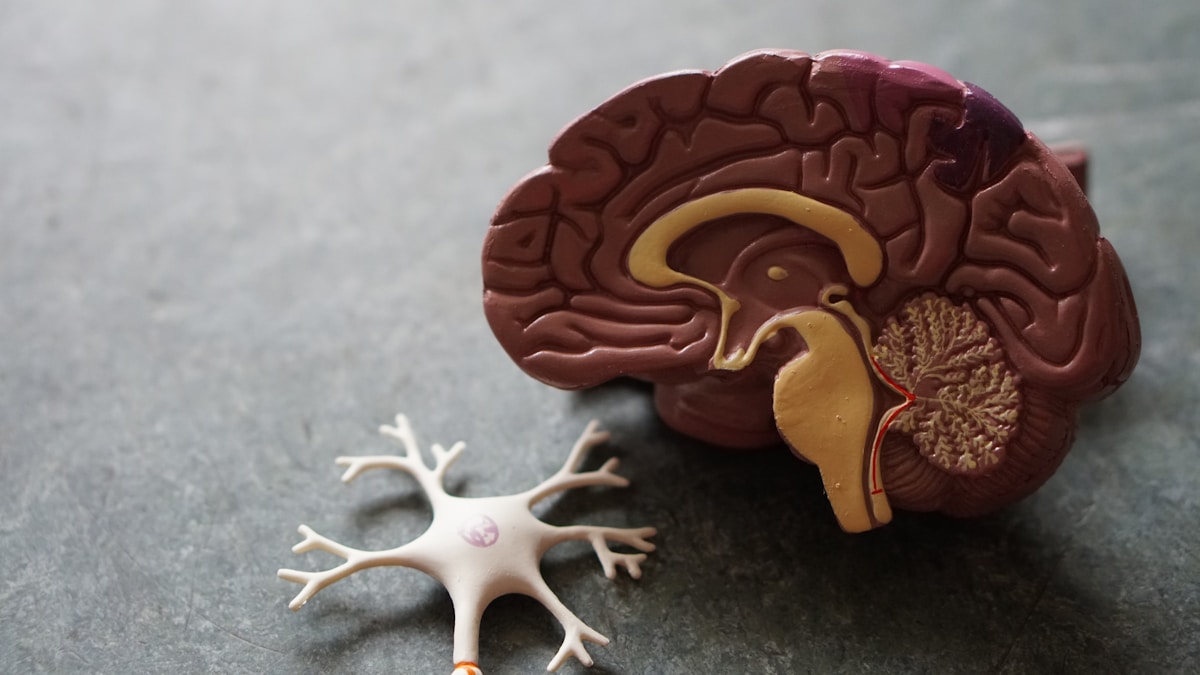
Game-based learning has gained significant attention in educational technology. However, to understand why games are such powerful learning tools, we need to look at the brain. Neuroscience research is revealing how play and games shape neural pathways, enhance memory, and foster deep learning. This article examines the neuroscientific foundations of game-based learning.
The Neurobiology of Play
Play is not unique to humans; it is observed across mammalian species. This evolutionary persistence suggests that play serves important developmental functions. Neuroscience research has identified several key brain systems involved in play.
The dopamine system plays a central role in game-based learning. Dopamine, often called the "reward neurotransmitter," is released during pleasurable activities and motivates us to repeat behaviors. Games are particularly effective at triggering dopamine release through achievement, surprise, and anticipation of rewards.
The prefrontal cortex, responsible for executive functions like planning, decision-making, and impulse control, is highly engaged during strategic gameplay. Games that require planning and problem-solving strengthen these neural circuits.
Neuroplasticity and Learning Through Games
Neuroplasticity refers to the brain's ability to reorganize itself by forming new neural connections. This capacity underlies all learning. Games leverage neuroplasticity in several ways.
Repetition with variation is key to strengthening neural pathways. Games provide this naturally through leveling systems and progressive challenges. Each attempt reinforces learning while slight variations keep the brain engaged.
Immediate feedback, a hallmark of good game design, enhances learning by allowing the brain to quickly correct errors. This rapid feedback loop strengthens the correct neural pathways while weakening incorrect ones.
Memory and Emotional Engagement
The amygdala, the brain's emotional processing center, modulates memory formation. Emotionally significant experiences are remembered better. Games create emotional engagement through narrative, challenge, and social interaction, enhancing memory consolidation.
The hippocampus, crucial for memory formation, is activated during spatial navigation and contextual learning—both common in games. Research has shown that action video game players have increased gray matter in the hippocampus.
Flow State and Optimal Learning
The concept of "flow," developed by psychologist Mihaly Csikszentmihalyi, describes a state of complete immersion in an activity. During flow, the brain operates efficiently, and learning is enhanced.
Games are uniquely capable of inducing flow states through their balance of challenge and skill, clear goals, and immediate feedback. Neuroimaging studies show that flow states are associated with decreased activity in the prefrontal cortex's self-monitoring regions, allowing for more automatic and efficient processing.
Implications for Educational Game Design
Understanding these neuroscientific principles can inform better educational game design. Challenge calibration should match learner skill level to maintain optimal arousal. Feedback should be immediate and informative. Emotional engagement through narrative and aesthetics enhances memory. Social elements activate reward systems and provide additional motivation.
Conclusion
Neuroscience provides compelling evidence for why games are effective learning tools. By engaging dopamine systems, leveraging neuroplasticity, enhancing emotional engagement, and inducing flow states, well-designed games create optimal conditions for learning.